
Locked Profiles in Facebook Groups: Why It Feels Unfair
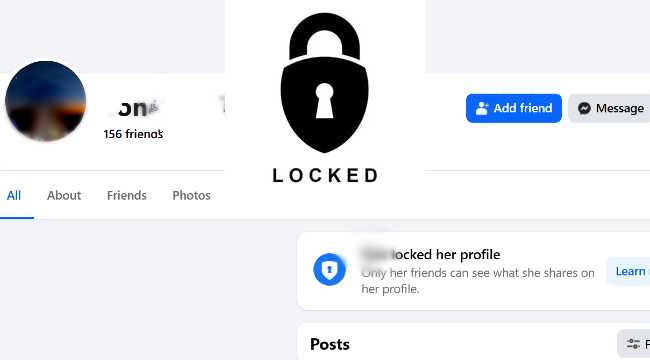
Facebook’s “locked profile” feature protects user privacy, but in group settings, it creates an uneven playing field. Members with open profiles are fully visible and accountable, while those with locked profiles can participate almost anonymously, leaving admins and fellow members feeling the system is unfair.
- Unequal Visibility
• Members with open profiles are fully “vetted” — you can see their photos, posts, friends, and even past activity.
• Locked-profile members, however, are a “black box” — you see almost nothing.
• From an admin’s perspective, this creates inequality in trust and scrutiny. Open-profile members are essentially held to a higher standard. - Impact on Group Rules & Safety
• If a rule violation occurs, admins often rely on checking profiles to gauge intent or past behavior. Locked profiles make this impossible, while open profiles remain fully visible.
• This creates a sense that open-profile members are more accountable, while locked-profile members get a “free pass” from scrutiny. - Admin Workload & Decision-Making
• Admins have to spend extra time monitoring activity from locked-profile users, often just in the group itself, instead of being able to quickly glance at their profile history.
• Open-profile members may feel this is unfair, because they’ve already “shown everything,” but locked-profile members can participate with almost no visibility outside the group. - Social Trust Dynamics
• Groups thrive on transparency. Locked profiles can unintentionally undermine trust, because other members can’t see who’s behind the account.
• Open-profile members might feel like their openness is disadvantaged or even penalized, while locked-profile members enjoy privacy protection.