
Minimum Wage Debate for 2026: What Turkey’s Government and Workers Are Saying
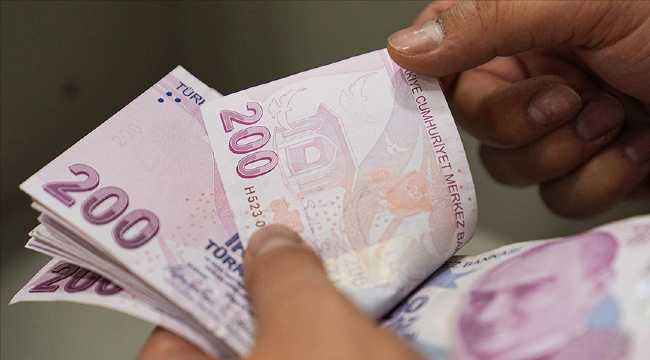
Talks over Turkey’s 2026 minimum wage have officially started with the first meeting of the Minimum Wage Determination Commission, and a second session is expected next week. The process began with notable absences, as Türk-İş, the country’s largest labor confederation, declined to attend and instead submitted its proposal separately. Employers have yet to issue a public statement, but the discussions are already drawing strong public attention.
This year’s negotiations are expected to be more difficult than in the past. The minimum wage fell below the hunger threshold in early 2025, while a growing share of workers now earn wages clustered around the minimum level. Opposition parties have announced demands ranging from 33,000 TL to 46,000 TL, figures that significantly exceed the expectations of several international institutions and widen the gap between political demands and economic projections.

Government Emphasis on Balance and Sustainability
The government has framed the minimum wage debate around economic balance and long-term sustainability. President Recep Tayyip Erdoğan has called on employers to take greater responsibility, arguing that wage increases benefiting workers ultimately return as higher productivity, profitability, and social harmony. He emphasized fairness, justice, and social responsibility as key principles guiding the process.
Vice President Cevdet Yılmaz reinforced this approach by stressing that the minimum wage is a legal floor rather than a standard wage for all workers. Employers, he noted, are free to pay above it depending on their capacity. Yılmaz warned that overly high increases could harm competitiveness, strain businesses, and push employment into informality. He also pointed out that underreporting wages contributes to the perception that a large portion of society earns only the minimum wage.
Labor and Social Security Minister Vedat Işıkhan added that the government aims to protect workers’ purchasing power while preserving employment levels and macroeconomic stability, highlighting the need for a carefully balanced outcome.
Labor Unions Call for Stronger Income Protection
Labor representatives argue that current wage levels no longer meet basic living costs. Türk-İş has proposed a net minimum wage of 39,525 TL for 2026, representing a 33.6 percent increase, citing inflation and rising living expenses. DİSK has gone further, warning that purchasing power losses have accumulated to critical levels and that the minimum wage must compensate for these declines.
According to DİSK, wage-setting should take into account poverty thresholds, economic growth, and realistic household structures rather than assuming a single-income family. Türk-İş estimates the poverty threshold at over 97,000 TL, implying that even households with two earners should reach at least this level of income.
A Widening Gap Ahead of Key Decisions
As negotiations continue, the divide between the government’s focus on economic stability and employers’ sustainability, and labor unions’ demands for meaningful income recovery, remains the central challenge. How this gap is bridged in the coming weeks will determine the direction of Turkey’s minimum wage for 2026 and its impact on millions of workers.
Keywords: #MinimumWage #TurkeyEconomy #MinimumWage2026 #LaborRights #WageNegotiations #Inflation #CostOfLiving #TradeUnions #EmploymentPolicy