
Scientists Warn Strong El Niño Could Bring Global Climate Disruptions
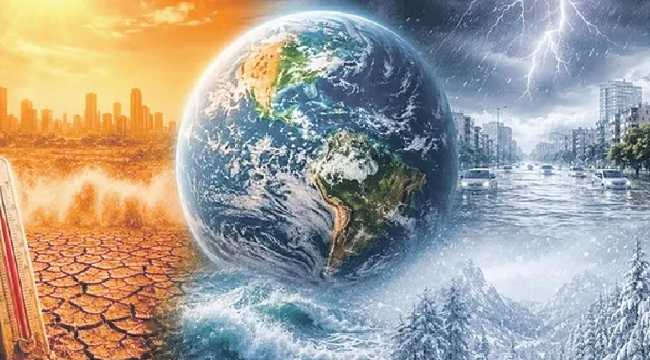
A powerful El Niño event developing in the Pacific Ocean could lead to significant climate disruptions around the world, according to climate scientists and meteorological agencies. While some media reports have used highly dramatic language, experts do agree that a strong El Niño may increase the risk of extreme weather events, droughts, agricultural stress, and temperature records in different parts of the world.
What Is El Niño?
El Niño–Southern Oscillation, often called ENSO, is a natural climate cycle that occurs every few years in the Pacific Ocean. During the El Niño phase, sea surface temperatures in parts of the tropical Pacific become warmer than usual. This warming affects atmospheric circulation and can influence weather patterns across the globe.

Scientists say strong El Niño years are often associated with hotter global temperatures, shifting rainfall patterns, and increased climate instability in several regions.
Why Experts Are Concerned
Researchers are closely monitoring sea surface temperatures in the Pacific, which have shown unusually rapid warming. Some climate models suggest conditions could develop into a strong or even “super” El Niño event.
According to climate experts, today’s situation may become more intense because the planet is already warmer due to ongoing global climate change. That means El Niño effects could combine with existing heat trends, potentially increasing the severity of droughts, heatwaves, floods, and crop stress in vulnerable regions.
Scientists point out that historical El Niño events have been linked to major droughts in parts of Asia, Africa, and South America, as well as disruptions to agriculture and food supply chains.
Could It Become a Global Crisis?
Experts emphasize that modern societies are far better prepared than they were in the 19th century. Advances in weather forecasting, international trade, irrigation systems, disaster response, and global food logistics reduce the likelihood of a catastrophe on the scale seen in the past.
However, climate scientists still warn that a strong El Niño could place additional pressure on global food security and water resources, especially in regions already struggling with heat, drought, or economic instability.
A powerful El Niño does not automatically mean a worldwide disaster, but it can significantly amplify existing climate challenges.
Climate Change and El Niño Together
One of the main concerns among researchers is the interaction between El Niño and long-term global warming. Scientists say the combination of naturally warmer Pacific waters and human-driven climate change may produce more extreme outcomes than in previous decades.
This is why many meteorologists and climate researchers are paying close attention to Pacific Ocean conditions in the coming months.
#ElNino #ClimateChange #GlobalWarming #ExtremeWeather #PacificOcean #ClimateCrisis #WeatherNews #GlobalClimate #Drought #Heatwave #ENSO #ClimateScience #FoodSecurity #EnvironmentalNews #OceanTemperatures