The Top 10 Most Impressive Artifacts from Karahan Tepe: A Glimpse into an 11,500-Year-Old Civilization
The Dawn of a Lost World
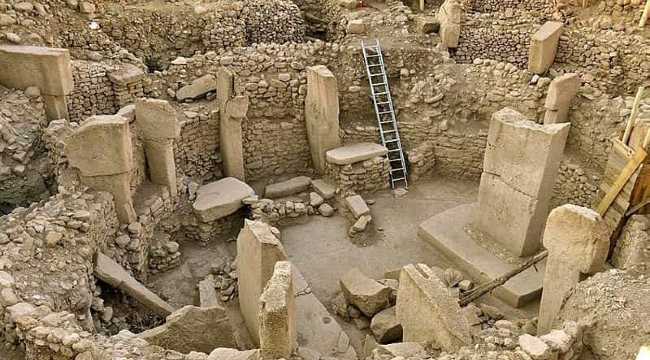
Hidden deep in the Tektek Mountains of southeastern Turkey lies Karahan Tepe, one of the most remarkable archaeological sites ever discovered. Estimated to be around 11,500 years old, this ancient settlement is part of the Taş Tepeler (Stone Hills) region—a network of sites that includes the world-famous Göbekli Tepe.
Now, with an exhibition opening in San Diego, visitors can finally get an up-close look at the artifacts that have stunned archaeologists and history enthusiasts alike. Stepping into the museum feels like stepping back into prehistory, to a time when early humans carved their beliefs into stone.
Echoes of Prehistoric Artistry
Among the exhibits are extraordinary sculptures, pillars, and carvings that tell stories of ritual, spirituality, and a mysterious connection between humans and animals. To make sense of this ancient artistry, I’ve gathered what I think are the top 10 most impressive artifacts from Karahan Tepe—each one offering a small window into humanity’s deep past.

The Carved Pillar Fragment with a Face
At number 10 is a simple yet powerful piece—a limestone pillar fragment featuring a carved human face. It may once have been part of a larger T-shaped pillar or even a totem. The hollow eyes and narrow nose are classic features shared with artifacts from Göbekli Tepe, hinting that these sites were culturally linked. Even the small carved holes suggest ritual function, perhaps for offerings or bindings.
The Elongated Head Statue
Coming in at number 9 is an elongated head statue that seems almost otherworldly. Its shape stretches upward, and small animal paws appear to emerge from its sides, blending human and creature. It’s both eerie and fascinating—a clear sign of the animistic beliefs that blurred the line between man and nature.
The Totemic Hunchback Figure
Number 8 is a totemic hunchback figure, a long-faced carving with multiple layers of detail. Its hunched back, extended arms, and possibly even a secondary face near the bottom make it look alive with energy. Figures like this have been found across southeastern Turkey, likely symbolizing ancestral spirits or shamans caught mid-transformation.
The Stylized Human Head
At number 7 is a stylized human head that looks surprisingly modern. Its flat top, deeply furrowed brow, and gritted teeth give it emotion and realism. On the back, faint carvings suggest another creature or spirit—perhaps representing dual identities or possession. This is ancient art with attitude.
The Double Fox Totem
The number 6 spot goes to one of the exhibition’s most striking pieces: the double fox totem. Two foxes appear to leap together, their bodies intertwined as if dancing. Foxes were sacred symbols, possibly representing guardianship or fertility. The human-like hands carved near the navel give this sculpture a mythic, hybrid quality—part man, part beast, part mystery.
The Multi-Headed Statue
At number 5 we find the multi-headed statue—abstract and strange, with two elongated heads on top and one below. Its minimalism contrasts sharply with the realism of other pieces. The stretched forms might represent spiritual duality, transformation, or even different phases of life. Whatever the meaning, it’s hauntingly beautiful.
The Seated Human Figure
Number 4 brings us to a seated human figure, carved thin and fragile, ribs showing beneath the stone. Its hands rest near the waist, and a small protrusion hangs below—possibly a pelt or symbol of fertility. The posture suggests meditation or offering. Was this a depiction of a fasting priest or a symbolic ancestor? We can only guess.
The Karahan Tepe Totem Pole
The number 3 artifact is a classic: the Karahan Tepe totem pole. Much like its famous counterpart at Göbekli Tepe, it features an animal head above and a human head below, surrounded by serpent-like forms. This likely represented the cycle of life, death, and transformation—a visual sermon in stone carved millennia before written language.
The Ceremonial Stone Plates
At number 2 are the ceremonial stone plates. Perfectly carved and polished, these circular stones show precision and artistry far beyond their age. Some are made of basalt, others of andesite, and all look like they were used in rituals—perhaps to hold sacred offerings or liquids. Their symmetry and craftsmanship rival ancient Egyptian artifacts that came thousands of years later.
The Human and Leopard Sculpture
Finally, number 1—the most breathtaking piece of all—the human and leopard sculpture. This is Karahan Tepe’s masterpiece: a human figure with a leopard draped across its back. The animal’s teeth are bared, its body curling protectively around the human as if in union. Some say it represents a shaman merging with his spirit animal; others believe it’s a guardian of the afterlife. Whatever the interpretation, the artistry is beyond belief. Standing before it, you feel an immediate connection to the people who carved it—a bridge across 11,000 years.
The Mystery Continues
What’s most exciting is that this is only the beginning. Archaeologists continue to excavate Karahan Tepe and other Taş Tepeler sites, uncovering more every season. Each discovery adds another piece to the puzzle of who we are and where we came from. The more we learn, the clearer it becomes that these early Anatolian builders were not primitive—they were visionaries. Their stones speak a universal language of creation, transformation, and awe.
Keywords: #KarahanTepe, #GöbekliTepe, #TaşTepeler, #ancientTurkey, #archaeology, #prehistoricart, #Neolithic, #ancientcivilization, #history, #shamanism, #Turkeyheritage, #stonecarving, #museum, #travel, #culture