
Trump wins, so now what? What changes will the world see?
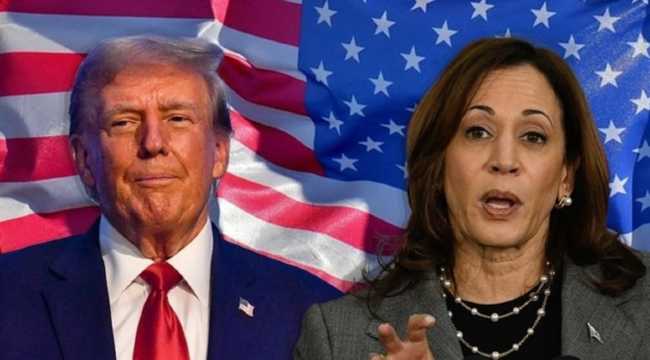
Donald Trump’s return to the White House after four years is viewed as a sign of substantial shifts in both U.S. domestic and foreign policy. Under Trump’s leadership, many policies initiated during Joe Biden’s administration are expected to be reversed, with Trump anticipated to reintroduce some of the radical approaches from his previous term. These anticipated changes are likely to reverberate globally, impacting the interests of numerous countries.
END TO BILLIONS OF DOLLARS FIMANCIAL AID TO UKRAINE
Ukraine and Europe: Trump diverged from the Biden administration by advocating reduced support for Ukraine in his campaign. Many Republican voters also view U.S. spending on Ukraine as excessive. Trump’s return to the White House could mean an end to the billions of dollars in military and financial aid previously sent to Ukraine, which would be a negative development for the country. Trump’s “America First” policy suggests reduced U.S. support for Europe and a potential decrease in NATO contributions. During his prior presidency, Trump even threatened to withdraw the U.S. from NATO. This poses a significant risk for Europe, which has continued its support for Ukraine.
SUPPORT TO ISRAEL TO CONTINUE

Middle East and Israel: Trump’s unwavering support for Israel is likely to continue as it did in his first term. As the first U.S. President to recognize Jerusalem as Israel’s capital, Trump also brokered normalization agreements between Israel and four Arab nations. Trump has been vocal in his support for Israel in its conflict with Hamas in Gaza. A return to a hardline approach toward Iran is also expected, as Trump previously ordered the killing of one of Iran’s most powerful commanders, Qasem Soleimani. This could increase tensions in the Middle East.
ESCALATION IN TRADE WAR BETWEEN CHINA AND USA
China and Trade War: Trump’s return signals a possible escalation in the trade war between the U.S. and China. During his previous term, Trump imposed heavy tariffs on China, and he has proposed further increases if re-elected. Amid heightened tensions over Taiwan, Trump is expected to take an even tougher stance in Asia. According to former Pentagon advisor Elbridge Colby, prioritizing support for Ukraine should not take precedence over the more substantial threat China poses to U.S. interests.
IMMIGRATION POLICIES
A key aspect of Trump’s domestic agenda could be his tough stance on immigration. Trump has vowed that, if re-elected, he would initiate the largest border operation in U.S. history. With the growing migrant crisis at the U.S.-Mexico border, Trump plans to take strict measures and expand travel bans for countries with predominantly Muslim populations. This indicates Trump’s intent to adopt a firmer stance on immigration, which remains a divisive issue in the U.S.
In summary, Trump’s return to the White House suggests that the U.S. may adopt a more isolationist, national interest-driven approach in foreign policy. Aggressive actions in areas like international alliances, immigration, and defense could alter political and economic balances worldwide, particularly in Europe, the Middle East, and Asia.
TAGS: #Trump #win #return #White #House #policies #election #USA


