
Turkey Property Tax 2026: Rising Valuations and Possible Solutions
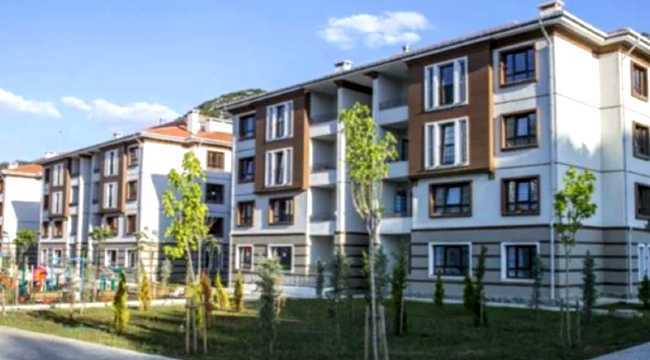
The upcoming Turkey property tax 2026 changes have sparked nationwide debate. In some districts, property valuations that determine the emlak vergisi (property tax) have increased by more than tenfold. Since all property tax revenues go directly to district municipalities, homeowners are asking: who raised the values, and can the hikes be reversed?
Who Decides Property Tax Values in Turkey?

Property tax in Turkey is based on values determined by Valuation Commissions, not solely by municipalities. These commissions meet every four years and include members from the municipality, the tax office (defterdarlık), the land registry, the chamber of commerce, and the local headman (muhtar).
A key point often misunderstood is that metropolitan municipalities and the central government do not share in these revenues. The tax is collected exclusively by district municipalities.
Why Property Tax Hikes Are a Big Problem
For many homeowners, the property tax increase 2026 could mean paying several times more than before. In some neighborhoods, valuations rose by 500 to 1,000 percent compared to the last assessment. These inflated values will also affect other taxes and fees, such as:
- Valuable Housing Tax
- Title deed fees (tapu harcı)
- Stamp duty
- Inheritance and transfer tax
- Cultural property preservation contributions
- Income tax on real estate sales and rentals
This ripple effect makes the issue much bigger than just emlak vergisi.
Government and Opposition Proposals
The ruling AK Party is considering a legal amendment to prevent excessive hikes. However, under current law, the President already has the authority to extend the existing valuations for another four years. If this option is used, the increase would be capped at half of the official revaluation rate.
Meanwhile, the opposition CHP has submitted a draft law to Parliament. Their proposal would cap increases for 2026 at no more than 50 percent above the 2025 valuation. They argue that the sharp jumps violate constitutional principles of fair taxation and do not reflect real market values.
Solutions for Homeowners and Lawmakers
Experts outline several paths to resolve the Turkey property tax problem:
- Homeowners can file lawsuits against valuation decisions, though deadlines are strict and missing them eliminates recourse for four years.
- The President can use existing authority to cut property tax rates by half or freeze valuations for four more years.
- Parliament can pass a permanent reform, ensuring stable and fair taxation for property owners.
What’s Next for Turkey Property Tax 2026?
Homeowners will begin paying the new Turkey property tax rates in 2026, leaving a few months for legislative or executive action. With both the government and opposition acknowledging the problem, a fix is expected.
If no solution comes, property owners could face a wave of lawsuits, financial strain, and confusion across the real estate market. But if reforms are implemented, Turkey may finally move toward a fairer and more transparent real estate valuation system.
KEYWORDS: Turkey property tax 2026, #emlak vergisi increases, #real estate valuation Turkey, #property tax reform Turkey, #homeowners tax burden Turkey, #emlak vergisi 2026 solutions, #property tax changes Turkey, #property valuation commission Turkey