
Climate Change Is Threatening Summer Tourism on Turkey’s Western Coast
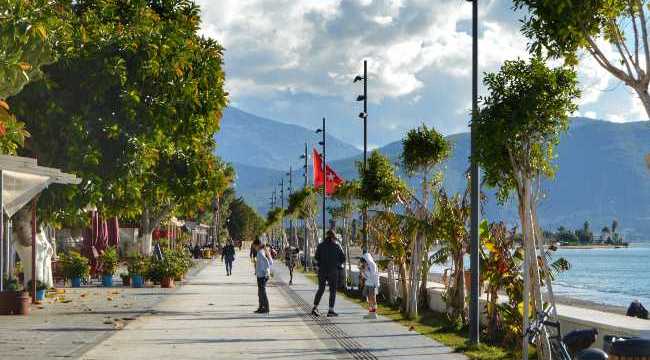
A new study from Boğaziçi University sheds light on a growing concern for one of Turkey’s most important economic sectors: summer tourism. Between 2026 and 2050, rising temperatures and increasing humidity are expected to make the country’s western coastline less comfortable for visitors, potentially leading to shorter stays and a drop in overall tourist numbers.
Heat and Humidity May Push Tourists Away

According to Başak Bilgin, a sustainable tourism and climate policy expert writing for t24.com.tr, these climatic changes are likely to directly affect how enjoyable summer vacations will be. When it becomes too hot and humid, people are less likely to spend time outdoors, which is the heart of most beach holidays. This doesn’t just impact tourists—it affects local economies, seasonal employment, and long-term tourism planning.
The Boğaziçi University research found that comfort levels are strongly linked to how long people stay and how often they visit. As heat and humidity rise, that comfort declines. That means fewer tourists, shorter visits, and likely, less revenue for businesses that rely heavily on the peak summer season.
A Shift in Seasons Might Be Necessary
The report suggests that tourism strategies focused only on the traditional summer months are becoming increasingly risky. Instead, Bilgin and other experts advocate for strategic investments that could stretch the tourism season into spring and autumn. These seasons are expected to offer more comfortable conditions in the future, helping destinations maintain visitor numbers and economic stability despite the challenges posed by climate change.
It’s not just about adjusting hotel bookings or offering off-season deals. This shift would require rethinking infrastructure, transportation, staffing, marketing, and local services. Resorts and local governments may need to adapt everything from promotional strategies to workforce planning if they want to stay competitive.
The Mediterranean Is Feeling the Pressure
The Mediterranean region is one of the world’s most climate-sensitive areas, and Turkey is no exception. While climate change is often talked about in terms of environmental impact, its effects on industries like tourism are becoming increasingly tangible. Heatwaves, irregular rainfall, and more frequent extreme weather events are starting to change how people travel—and where they choose to go.
If destinations along Turkey’s western coast don’t adapt, they could lose their edge to other regions that are quicker to adjust. But with early action, smart planning, and sustainable thinking, there’s still time to build resilience—and protect the future of tourism in the region.
The Bottom Line
Tourism in Turkey, especially along the western coastline, is facing a turning point. The traditional summer model is no longer a safe bet. To stay attractive and competitive in the years ahead, it’s going to take forward-thinking strategies, investment in shoulder seasons, and a serious commitment to climate adaptation.